
Food Adaptations guide offers experts tips for people living with bowel conditions
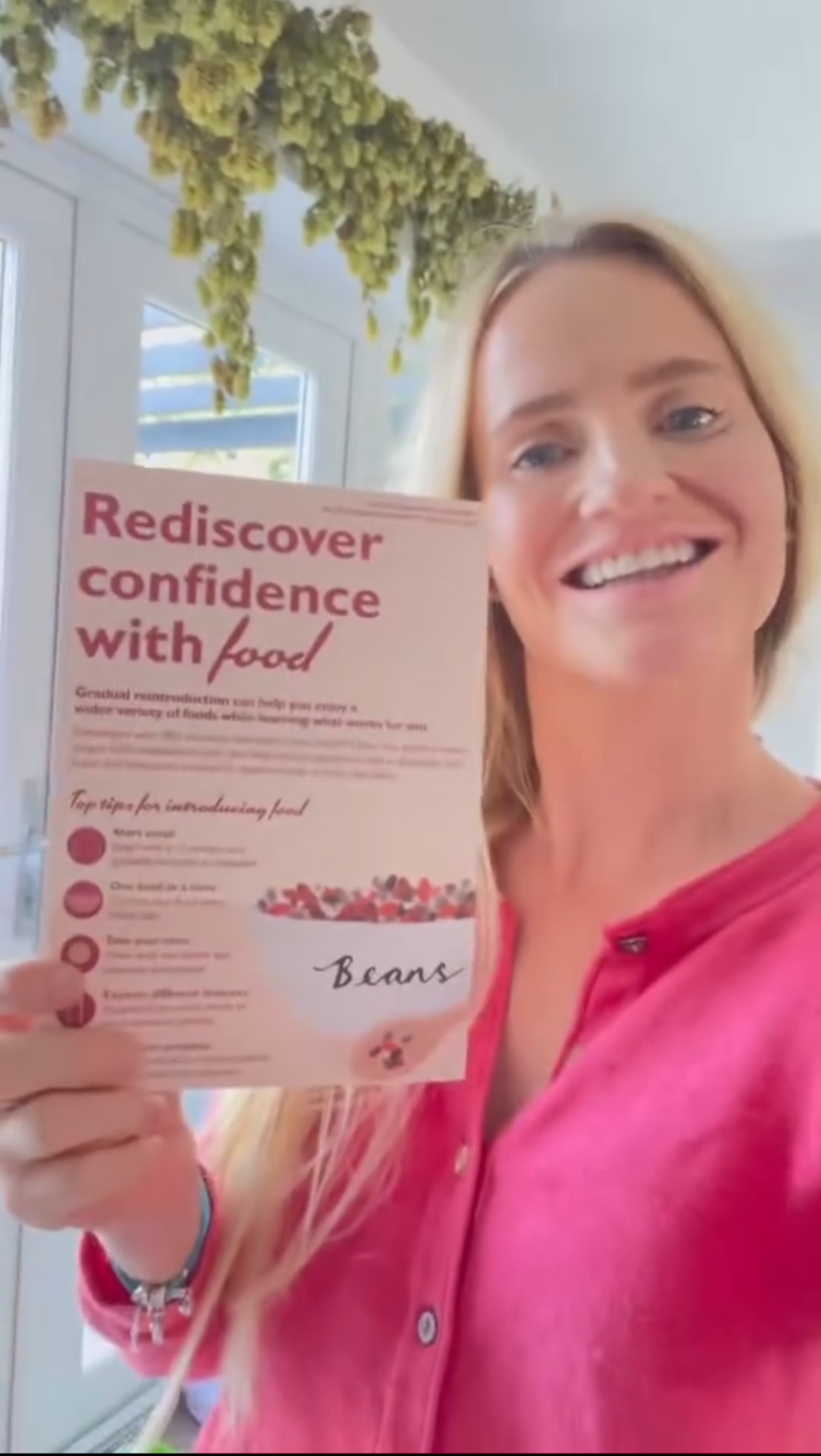
Gastroenterology Dietitian Jess Upton, The NALM Clinic, with the Food Adaptations note card
The Good Bowel Company has collaborated with The NALM Clinic to create a Food Adaptations note card
Living with IBD, IBS or another digestive condition can mean navigating a long list of questions around food: What should I eat? Does how I prepare food make a difference? Why do some meals seem fine one day but trigger symptoms another?
To help people make sense of these everyday experiences, The Good Bowel Company has collaborated with The NALM Clinic, a UK-based virtual nutrition and dietetics practice specialising in support for people living with IBD, IBS, J-pouches and stomas.
The collaboration has produced a new Food Adaptations note card, featuring practical advice from The NALM Clinic Founder and IBD Nutritionist, Clemmie Oliver and Jess Upton, Gastroenterology Dietitian.
From nuts to dairy, the A5 note card shares simple food adaptations that people can consider alongside their individual needs and advice from their healthcare team.
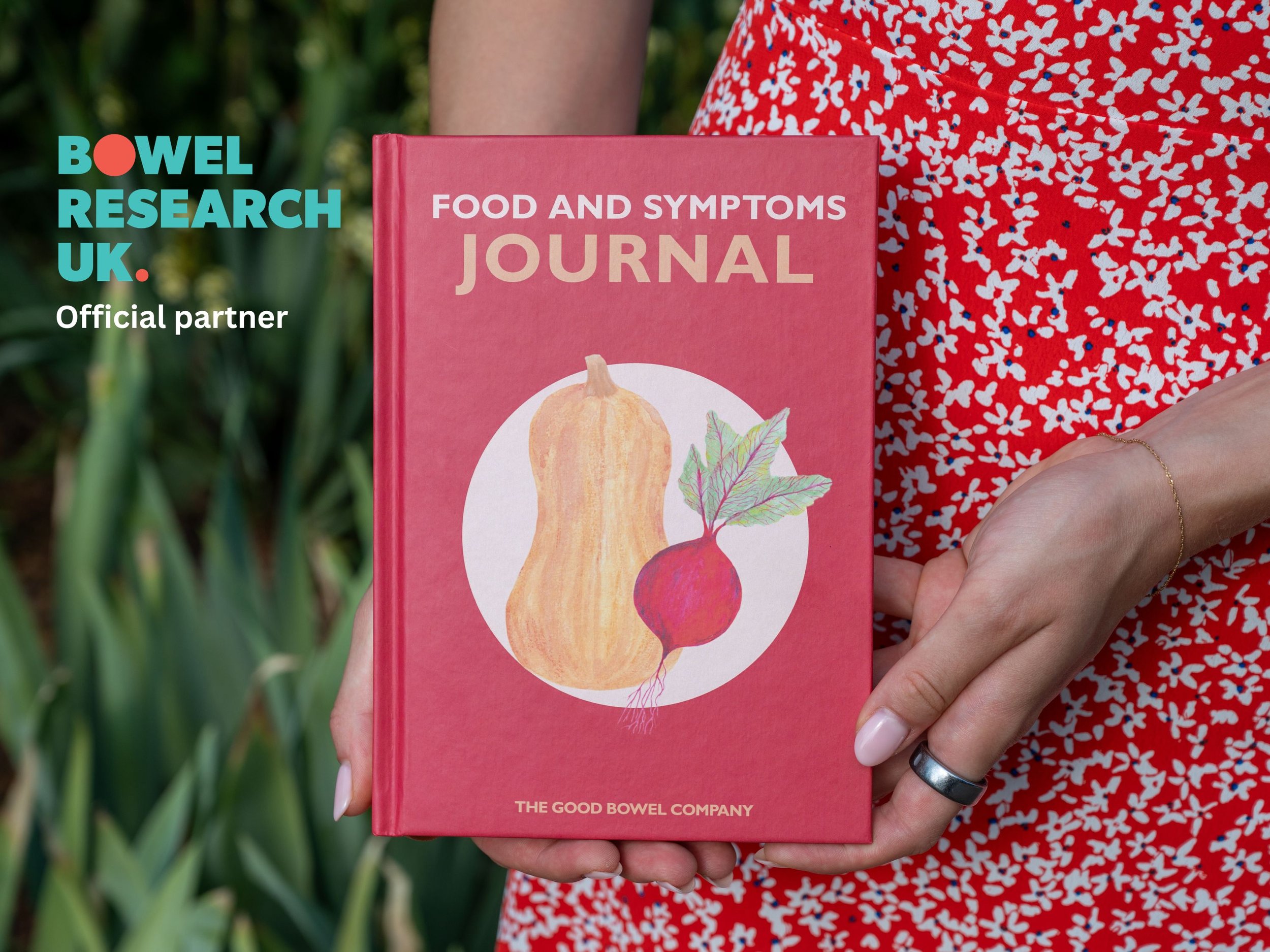
The Food Adaptations note card is included free with every Food and Symptoms Journal, which is designed to help people record what they eat alongside their symptoms and everyday habits.
Advice from the experts
Clemmie Oliver, The NALM Clinic Founder and IBD Nutritionist said: “We are delighted to collaborate with Dawn and The Good Bowel Company on this Food Adaptations note card. Something we see all the time in our clinic is people becoming worried about what they can eat and often unnecessarily restricting foods to try and help manage their symptoms. However, small changes to the foods we choose, how we prepare them and how we eat them can make a real difference to how well they are tolerated, helping to manage symptoms while keeping our diets as varied and enjoyable as possible.”
Jess Upton, Gastroenterology Dietitian, The NALM Clinic, added: “When people suffer from IBD or IBS, dietary change can feel overwhelming, and it can be hard to know where to start. Changes do not have to be big; they can be something as simple as eating the food cooked and blended or swapping just a couple of ingredients. Keeping a food journal can be a helpful way to identify individual triggers and help to identify foods that can be eaten without symptoms to support a gradual return to food freedom.”
What people with bowel conditions are telling us
The Good Bowel Company has also been working with Bowel Research UK to understand how people living with bowel conditions use the Food and Symptoms Journal.
Following a focus group supported by the charity, people living with conditions including IBS, ulcerative colitis and diverticular disease gave the journal an overall rating of 4.89 out of 5.
Sam Alexandra Rose, Digital Communications and Patient Involvement Manager at Bowel Research UK, said: “It has been so encouraging to hear from members of our community with bowel conditions about how the Food and Symptoms Journal helps them. They are patients with bowel conditions such as IBS, ulcerative colitis and diverticular disease, and in the survey, they gave the journal an overall rating of 4.89 out of 5.”
Sam adds: “Patients feel the journal helps them to understand how food affects their symptoms and patterns, track their progress over time and have conversations with their healthcare professionals. It’s great to hear it makes a difference, and I hope it will do the same for many more people to make living with bowel disease a little easier.”