
“I ran a 100km ultramarathon 11 months after stoma surgery”: How to rebuild confidence with exercise
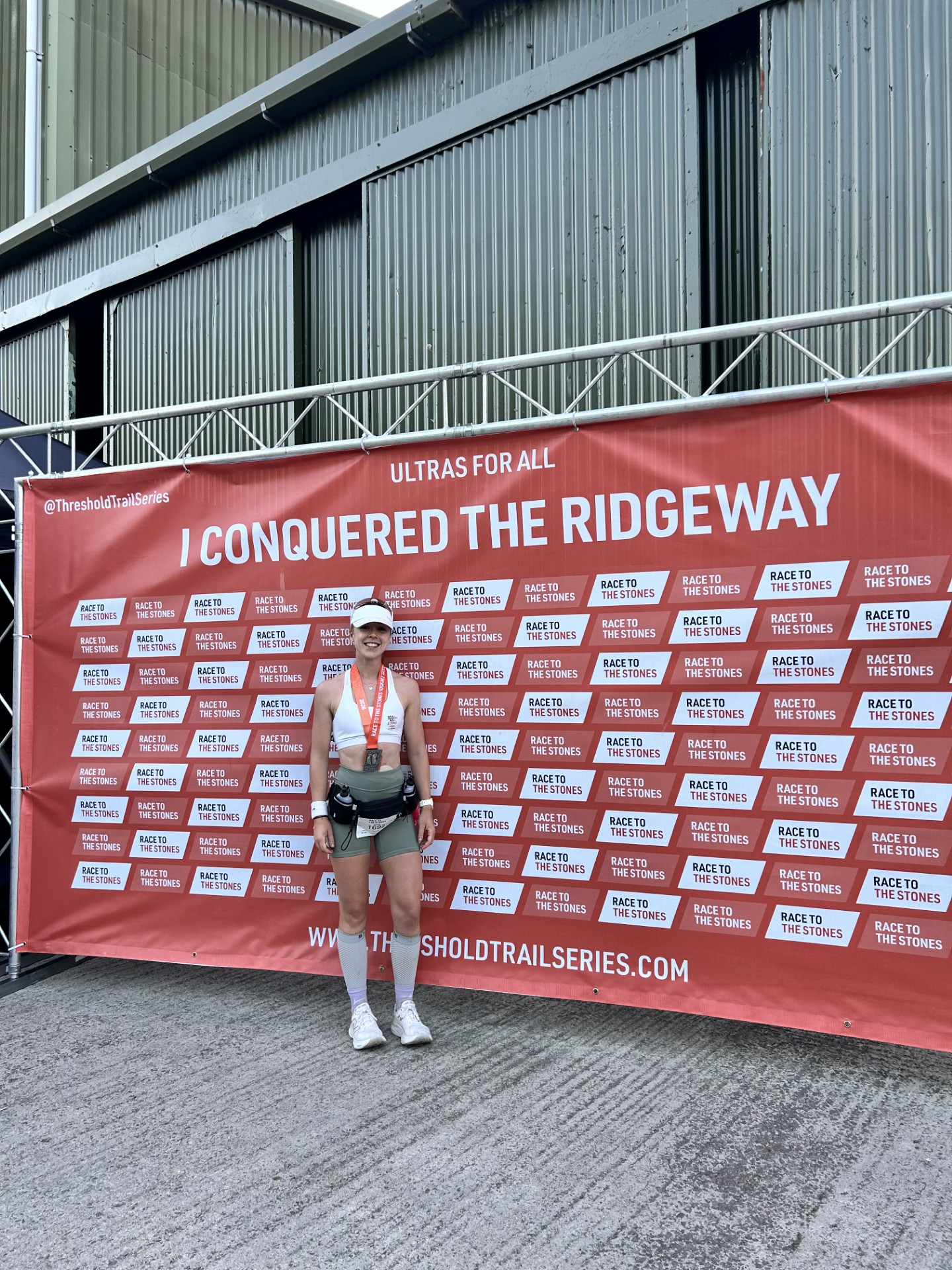
Personal trainer and exercise referral specialist Liv Moore on learning to train confidently with a stoma and completing her astonishing 100km ultramarathon
“I’m about to be an ultramarathon runner,” Liv Moore exclaims to her camera. She’s seconds away from the finish line of Race to the Stones, a 100km ultramarathon race spanning the Chiltern Hills and North Wessex Downs. On her hand, in thick black ink, ‘You’ve been through harder’ can be seen.
Completing a 100km ultramarathon with a stoma is something Liv never imagined in August last year as she lay in her hospital bed recovering from surgery at age just 22 years old.
Speaking with The Good Bowel Company, Liv Moore reveals her mission to help people realise what they are truly capable of following stoma surgery.
The Good Bowel Company: Congratulations on completing your ultramarathon! What was the biggest lesson you learned about living with your stoma throughout your training and on race day?
Liv Moore: The true meaning of resilience. Before my surgery, I thought resilience meant pushing through or never giving up. Now, I see it differently. Resilience is showing up on the days you don’t feel like you can. It’s taking the first walk when you’re scared, going to the gym when your confidence is gone, choosing to keep moving forward after setbacks and trusting that all those small steps will eventually add up.
Living with a stoma has taught me that progress isn’t made in the big moments; it’s built in the quiet, ordinary ones. Every training session, every challenge and every doubt I overcame helped me rebuild trust in my body. Confidence didn’t come overnight; it came from proving to myself, time and time again, that I was capable.
By the time I stood on the start line of my ultra, my stoma wasn’t what I was thinking about. It has become part of my everyday life and part of my journey. Crossing the finish line wasn’t just about running 100km. It was a reminder that our biggest limitations are often the ones we place on ourselves.
I hope my journey shows others that living with a stoma doesn’t mean lowering your expectations. With patience, support and the willingness to keep showing up, even on the hardest days, you’re capable of far more than you think.
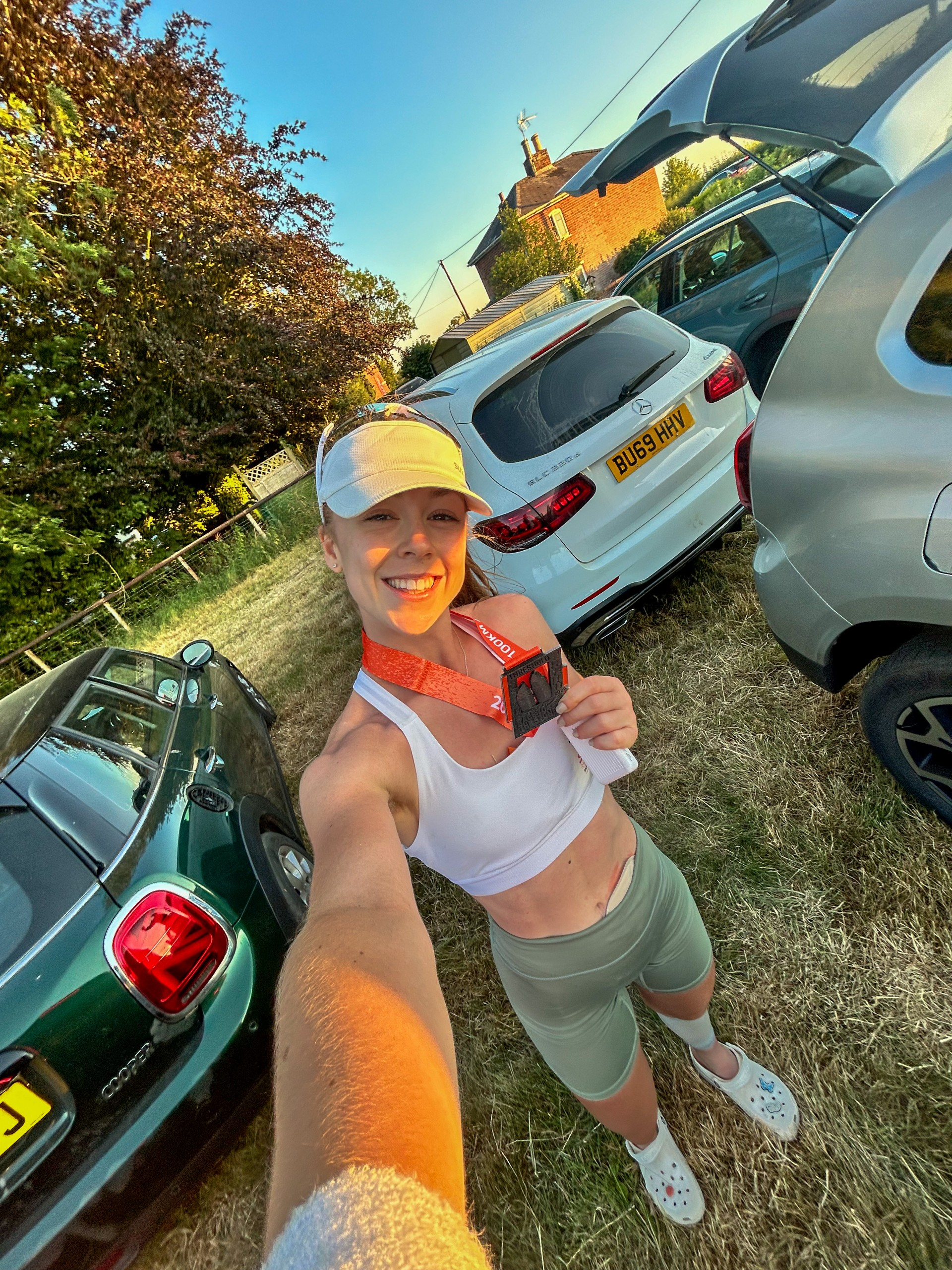
Looking back from your recovery after surgery to where you are today, how did you gradually build your confidence and fitness?
Recovery wasn’t linear and I think that’s something people need to hear more often.
In the early weeks after surgery, my focus wasn’t fitness, it was healing. Walking became my first form of exercise, even if it was only for a few minutes at a time. As I recovered, I gradually introduced light resistance exercises, concentrating on good movement patterns and rebuilding my core safely before increasing the intensity.
I listened to my body and allowed myself to progress at my own pace. Some weeks I felt strong, while others reminded me that recovery takes time. Rather than seeing those slower periods as setbacks, I learned to view them as part of the process.
Over the months, walking turned into strength training, strength training turned into running and eventually I was training for endurance events and completing a 100km ultramarathon.
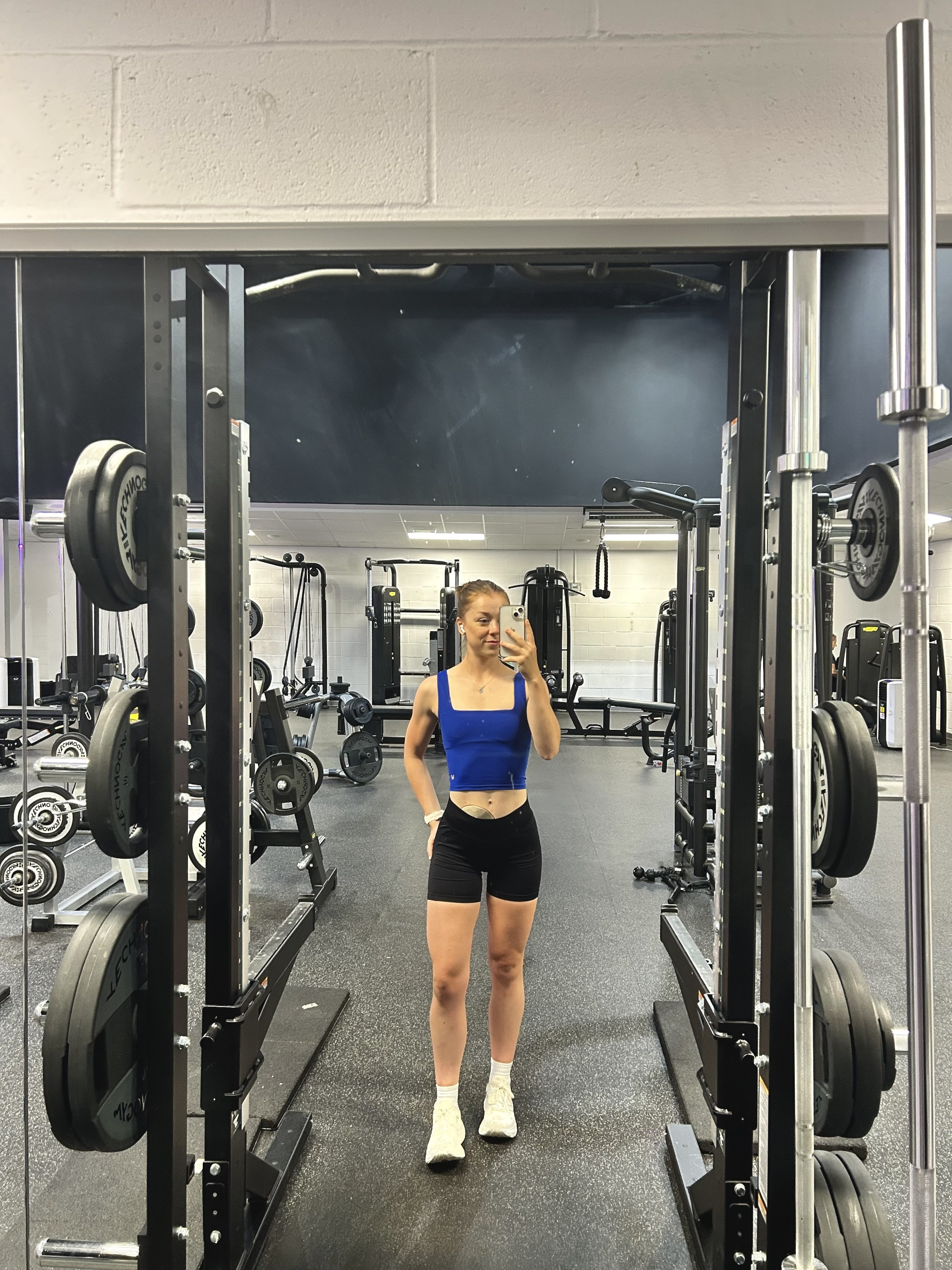
Many people feel nervous about returning to exercise after stoma surgery. What advice would you give to someone who wants to get active again but isn’t sure where to start?
Be patient with yourself. Returning to exercise after stoma surgery isn’t about picking up where you left off, it’s about rebuilding from where you are now. Your body has been through major surgery and it’s okay if progress feels slower than you expected.
Start small. Even a short walk around the block is a step forward. Focus on consistency rather than intensity and celebrate every milestone, no matter how small it seems. As your body heals, gradually introduce strength training to rebuild your core, improve overall strength and restore confidence in what your body can do.
I also encourage people not to compare themselves to others or to their pre-surgery selves. Recovery looks different for everyone. The goal isn’t to get back to who you were, it’s to become stronger because of everything you’ve overcome.
Most importantly, don’t let fear convince you that your journey ends with a stoma. It can be the beginning of a completely new chapter.
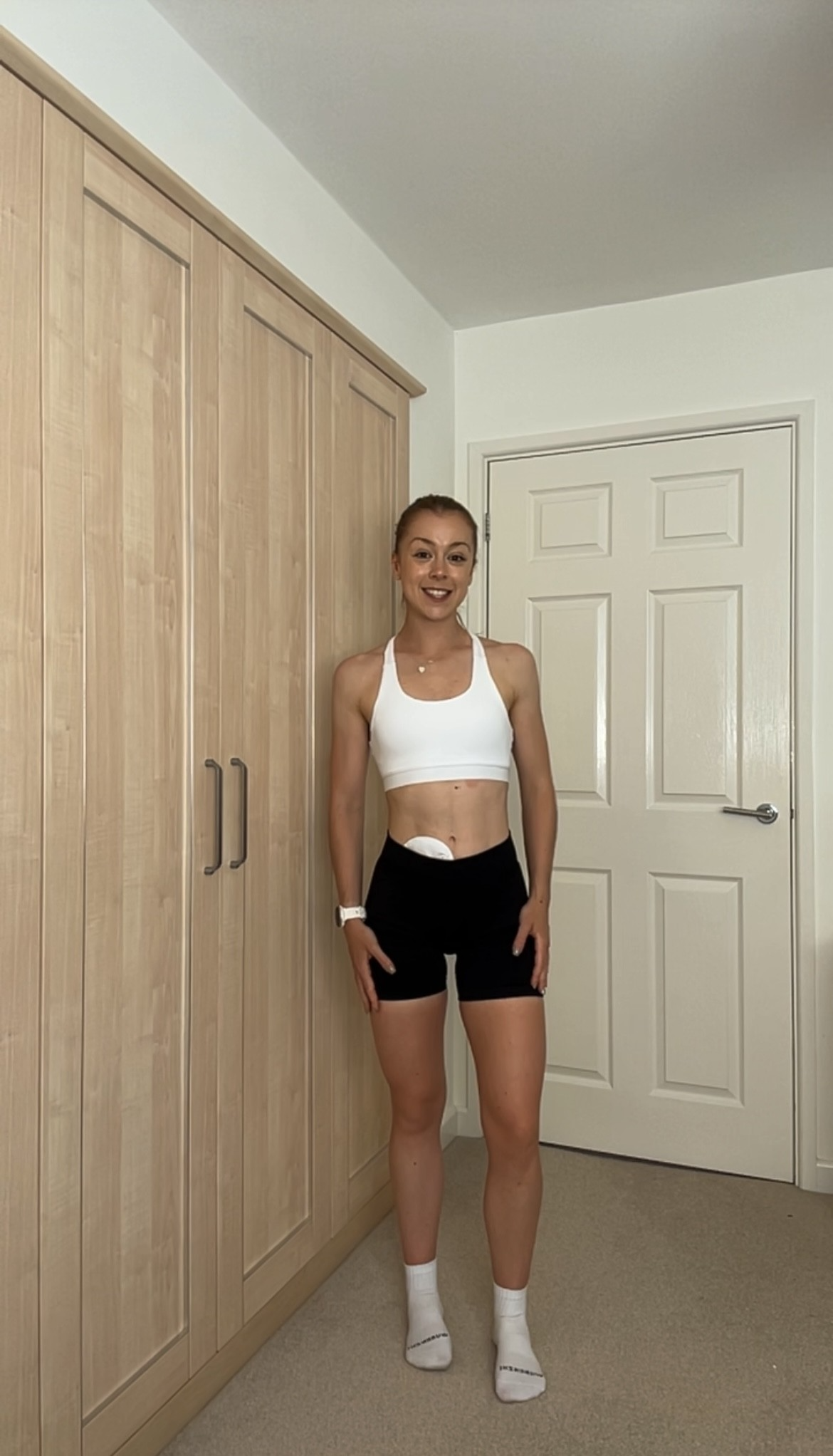
The Ostomate Journal includes dedicated sections for tracking exercise, stoma output and symptoms to help people understand what works best for their body. How important do you think symptom tracking is for ostomates?
Symptom tracking is incredibly valuable, especially during the first months after surgery when everything feels unfamiliar.
Living with a stoma involves a lot of learning. You notice which foods work well before exercise, how hydration affects your output, how your body responds to different training sessions and what routines help you feel your best. Keeping track of those patterns takes away much of the uncertainty.
That knowledge builds confidence. Instead of worrying about the unknown every time you exercise, you begin to understand your own body and make informed decisions based on your own experiences.
Everyone’s stoma is different, which is why tracking is so useful. Rather than relying solely on general advice, it allows you to discover what works best for you. That confidence can make the difference between feeling anxious about exercising and feeling prepared to enjoy it.
“The Ostomate Journal is the perfect companion for anyone newly navigating life with a stoma. It’s packed with practical, easy-to-follow information, including guidance on foods to enjoy and those to avoid in the early post-operative weeks. There are dedicated sections to track meals during the first six weeks, monitor the reintroduction of foods, and keep a record of appointments, wellbeing and even eating out with confidence. It’s a thoughtful, supportive resource that helps make the transition into stoma life feel far less overwhelming. I would highly recommend it to anyone at the start of their journey.”
Liv Moore is the founder of Built Beyond, an online coaching platform that helps people build strength, confidence and resilience at every stage of their fitness journey. She offers one-to-one online coaching for those new to exercise, returning from surgery or training for performance goals. She shares educational content, training advice and her journey on Instagram, @livwithastoma